

Treating Gut, Hormone & Energy Issues With Functional Medicine
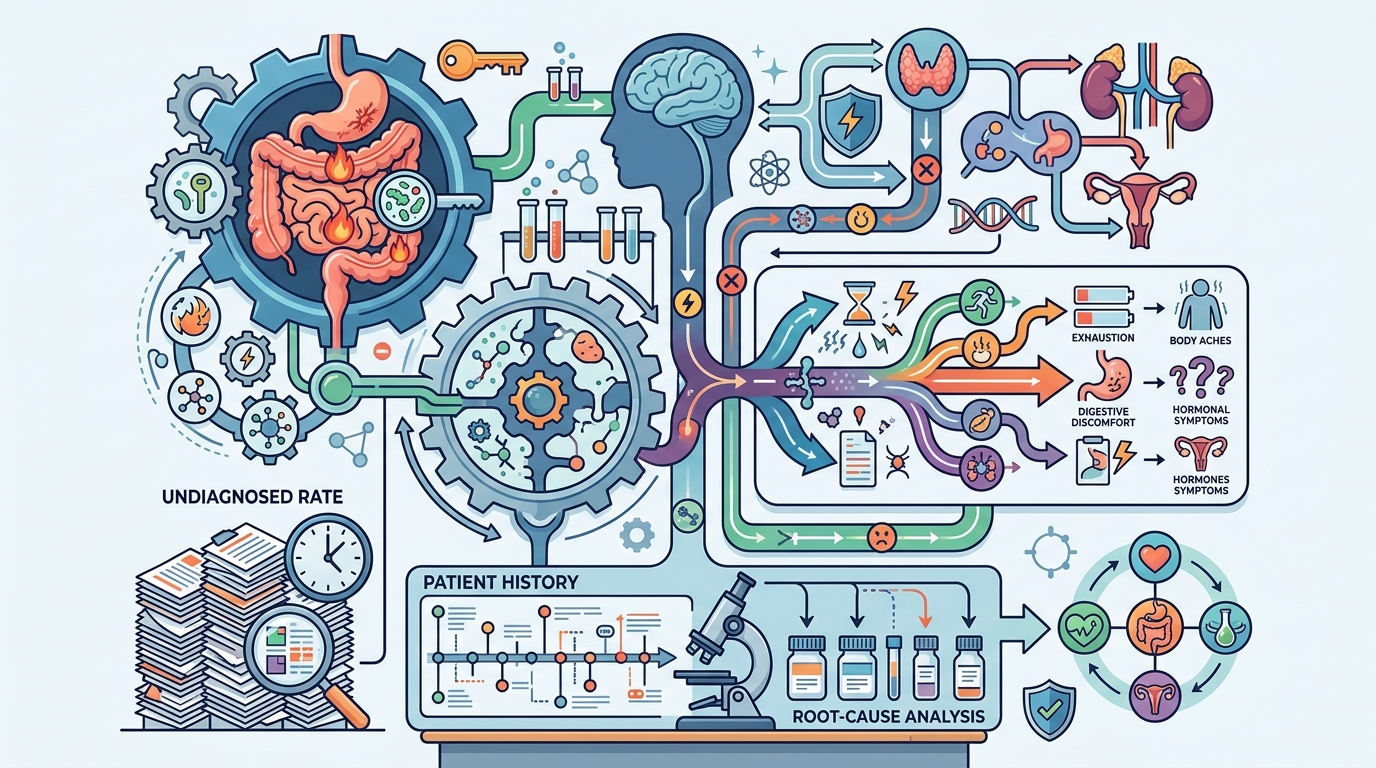
Chronic fatigue, persistent gut issues, and stubborn hormone imbalances are rarely isolated events. They are often interconnected symptoms of deeper systemic dysfunction. According to recent health data, up to 30 million people worldwide live with Myalgic Encephalomyelitis/Chronic Fatigue Syndrome (ME/CFS), yet an estimated 84% of cases go undiagnosed. This massive gap in conventional care highlights the urgent need for a different approach. Functional medicine does not just treat the symptom; it investigates the root cause. By looking at the body as an interconnected web, we can finally address the underlying drivers of your exhaustion and discomfort.
Understanding the Root Causes
Conventional medicine often treats chronic fatigue, gut issues, and hormone imbalances as separate entities. You might see a gastroenterologist for bloating, an endocrinologist for thyroid issues, and a primary care provider for fatigue. This fragmented approach rarely yields lasting results because it ignores the biological connections between these systems. Functional medicine operates on the principle that the body is a single, integrated unit.
Functional medicine is a systems-biology-based approach that focuses on identifying and addressing the root cause of disease. Instead of asking "what drug do I prescribe?", it asks "why is this happening?". This distinction is critical for patients who have been told their labs are "normal" despite feeling terrible. In functional medicine, "normal" lab ranges are often just statistical averages, not necessarily optimal health markers. For instance, a TSH level within the standard reference range might still indicate subclinical hypothyroidism for a specific individual. By utilizing advanced diagnostic testing, practitioners can uncover hidden dysfunctions in the gut, immune system, and endocrine pathways.
The connection between these three conditions is profound. Gut dysbiosis can lead to systemic inflammation, which disrupts hormone production and depletes energy reserves. Conversely, hormonal imbalances can slow down digestion and weaken the gut barrier. Understanding this cycle is the first step toward breaking it. At Direct Integrative Care, we specialize in untangling these complex webs of symptoms to restore your body's natural balance.
Functional Medicine and Gut Health
The gut is often called the "second brain" because of its extensive network of neurons and its direct link to the immune system. When the gut lining becomes compromised, a condition known as leaky gut or intestinal permeability, toxins and undigested food particles can leak into the bloodstream. This triggers an immune response that manifests as inflammation, fatigue, and hormonal disruption.
Gut dysbiosis is an imbalance in the microbial community of the intestines, where harmful bacteria or fungi outnumber beneficial ones. This imbalance can lead to a cascade of health issues. For example, an overgrowth of yeast or pathogenic bacteria can produce toxins that impair liver function and hormone metabolism. This is particularly relevant for estrogen dominance, where the liver fails to properly clear excess estrogen from the body.
To address gut health, functional medicine practitioners use specialized testing to identify specific pathogens, assess digestive enzyme levels, and evaluate the integrity of the gut lining. Treatment is highly personalized and typically involves a phased approach: removing triggers, replacing missing digestive components, reinoculating with beneficial bacteria, and repairing the gut lining. Dietary interventions, such as an anti-inflammatory diet or a low-histamine diet, are often foundational. As noted in our guide on managing Mast Cell Activation Syndrome, eliminating high-histamine foods and common allergens can significantly reduce systemic inflammation and improve overall well-being.
Hormonal Balance and Metabolism
Hormones are the chemical messengers that regulate nearly every process in your body, from metabolism and mood to reproduction and immune function. When hormones are out of balance, the effects are widespread. Symptoms can include weight gain, hair loss, irregular periods, low libido, anxiety, and profound fatigue. Conventional medicine often relies on hormone replacement therapy (HRT) to mask symptoms, but this does not address why the imbalance occurred in the first place.
Hormone imbalance is a condition where there is too much or too little of a hormone in the blood. In functional medicine, we look at the entire hormonal axis, including the hypothalamus, pituitary, and adrenal glands. The adrenal glands, which produce cortisol and adrenaline, are particularly sensitive to stress and gut health. Chronic stress can lead to adrenal fatigue, where the body struggles to produce adequate cortisol, resulting in a state of constant exhaustion.
Furthermore, the gut plays a crucial role in hormone metabolism. The gut microbiome helps regulate the breakdown and excretion of hormones like estrogen and thyroid hormones. If the gut is inflamed or dysbiotic, this process is disrupted, leading to hormonal fluctuations. For example, high triglycerides and insulin resistance, often linked to gut health, can directly impact thyroid function and sex hormone production. A comprehensive approach to hormonal health must therefore include gut healing and metabolic support. We explore these connections in detail in our article on a functional medicine approach to high triglycerides, which highlights the importance of diet and lifestyle in metabolic health.
Chronic Fatigue Syndrome Strategies
Chronic fatigue syndrome (ME/CFS) is a complex, multi-system illness characterized by extreme fatigue that cannot be explained by any underlying medical condition and does not improve with rest. For many patients, even minor physical or mental effort can cause a worsening of symptoms, known as post-exertional malaise (PEM). This debilitating cycle can isolate individuals from their daily lives and relationships.
Functional medicine offers a promising pathway for those seeking chronic fatigue syndrome help. Rather than simply prescribing stimulants or antidepressants, functional medicine investigates the biological drivers of fatigue. These can include mitochondrial dysfunction, where the cells fail to produce enough energy; chronic viral reactivation, such as Epstein-Barr virus; or immune system dysregulation.
One of the most effective tools in functional medicine for chronic fatigue and related conditions is Low-Dose Naltrexone (LDN). LDN is a compounded medication that works by transiently blocking opioid receptors, which paradoxically upregulates the body's natural endorphins and enkephalins. These molecules have immunomodulatory effects, helping to reduce inflammation and calm an overactive immune system. Many patients report significant improvements in energy levels, brain fog, and pain after starting LDN. We discuss the role of LDN in our post on a functional medicine approach to Mast Cell Activation Syndrome, where it is highlighted as a key therapy for calming the immune response.
Other strategies include optimizing sleep hygiene, implementing pacing techniques to manage energy expenditure, and using targeted supplementation to support mitochondrial function. Nutrients like CoQ10, magnesium, and B vitamins are often essential for patients with ME/CFS. By addressing these underlying biological issues, functional medicine can help patients regain their energy and quality of life.
Comparison of Treatment Models
Understanding the difference between conventional and functional medicine is crucial for making an informed decision about your health. The table below outlines the key distinctions in how each model approaches chronic fatigue, gut issues, and hormone imbalances.
| Feature | Conventional Medicine | Functional Medicine |
|---|---|---|
| Primary Focus | Symptom management and disease treatment | Root cause identification and system restoration |
| Approach to Gut Health | Antibiotics for infections, antacids for acid reflux | Dysbiosis testing, personalized diet, gut repair protocols |
| Hormone Treatment | Hormone replacement therapy (HRT) based on standard labs | Comprehensive hormone testing, adrenal support, gut-hormone axis |
| Chronic Fatigue Care | Exclusion of other diseases, symptomatic relief | Investigation of mitochondrial, immune, and viral drivers |
| Patient Interaction | Short visits, provider-centered | Longer consultations, patient-centered partnership |
Key Takeaways
- Interconnected Systems: Chronic fatigue, gut issues, and hormone imbalances are biologically linked through inflammation and immune function.
- Root Cause Analysis: Functional medicine uses advanced testing to identify underlying drivers like dysbiosis, mitochondrial dysfunction, and adrenal stress.
- Gut-Brain-Hormone Axis: Gut health directly impacts hormone metabolism and energy production, making it a critical target for treatment.
- LDN Therapy: Low-Dose Naltrexone is an effective tool for calming immune dysregulation and improving energy in chronic conditions.
- Personalized Care: Treatment plans are tailored to the individual's unique biology, rather than a one-size-fits-all protocol.
- Diagnostic Depth: Functional medicine looks beyond standard lab ranges to find optimal health markers and hidden dysfunctions.
- Comprehensive Support: Successful outcomes require a combination of dietary changes, targeted supplementation, and lifestyle modifications.
Frequently Asked Questions
How does functional medicine differ from conventional medicine?
Functional medicine focuses on identifying and addressing the root causes of disease through a systems-biology approach, whereas conventional medicine typically focuses on symptom management and treating specific diseases. Functional medicine also emphasizes personalized care and longer patient-provider interactions.
Can functional medicine help with chronic fatigue syndrome?
Yes, functional medicine can help with chronic fatigue syndrome by investigating underlying biological drivers such as mitochondrial dysfunction, immune dysregulation, and chronic infections. Therapies like Low-Dose Naltrexone (LDN) and targeted supplementation are often used to improve energy levels.
What is the connection between gut health and hormone balance?
The gut plays a crucial role in hormone metabolism, particularly in the breakdown and excretion of hormones like estrogen. Gut dysbiosis can lead to systemic inflammation, which disrupts hormone production and signaling, leading to imbalances.
What kind of testing is used in functional medicine?
Functional medicine uses advanced diagnostic testing to assess gut health, hormone levels, nutrient status, and immune function. This may include stool analysis, comprehensive hormone panels, and tests for food sensitivities and microbial overgrowth.
Is Low-Dose Naltrexone (LDN) safe?
LDN is generally considered safe and well-tolerated when prescribed by a qualified practitioner. It works by modulating the immune system and reducing inflammation, making it useful for conditions like chronic fatigue, autoimmune disorders, and mast cell activation syndrome.
How long does it take to see results from functional medicine?
The timeline for seeing results varies depending on the individual and the complexity of their condition. Some patients experience improvements in energy and digestion within weeks, while others may take several months to fully resolve their symptoms. Consistency with the treatment plan is key.
Do you accept insurance for functional medicine services?
At Direct Integrative Care, we offer various payment options, including direct care models and health sharing ministries. It is best to contact our office directly to discuss your specific situation and available options.
Start Your Healing Journey
If you are struggling with chronic fatigue, gut issues, or hormone imbalances, you do not have to navigate this path alone. Functional medicine offers a comprehensive, root-cause approach to help you reclaim your health and vitality. By addressing the underlying biological drivers of your symptoms, we can create a personalized plan that works for your unique body.
Take the first step toward lasting change. Visit Direct Integrative Care today to schedule your virtual assessment and begin your journey to optimal health.