
Real-World Functional Medicine: A Patient's Guide to Integrative Care
Functional medicine is a systems biology-based approach that focuses on identifying and addressing the root cause of disease rather than merely suppressing symptoms. According to the Institute for Functional Medicine, this model shifts the clinical paradigm from a disease-centered approach to a patient-centered one. This shift is critical for individuals seeking long-term health improvements. The real-world application of these principles involves deep investigative work into lifestyle, environment, and genetics. Patients often find that traditional medicine leaves them with unanswered questions about their chronic conditions. Integrative functional medicine bridges this gap by combining conventional medical practices with advanced diagnostic testing. This guide explores how this model works in practice and what patients can expect during their journey. (Functional Medicine Integrative Functional)
What Is Functional Medicine?
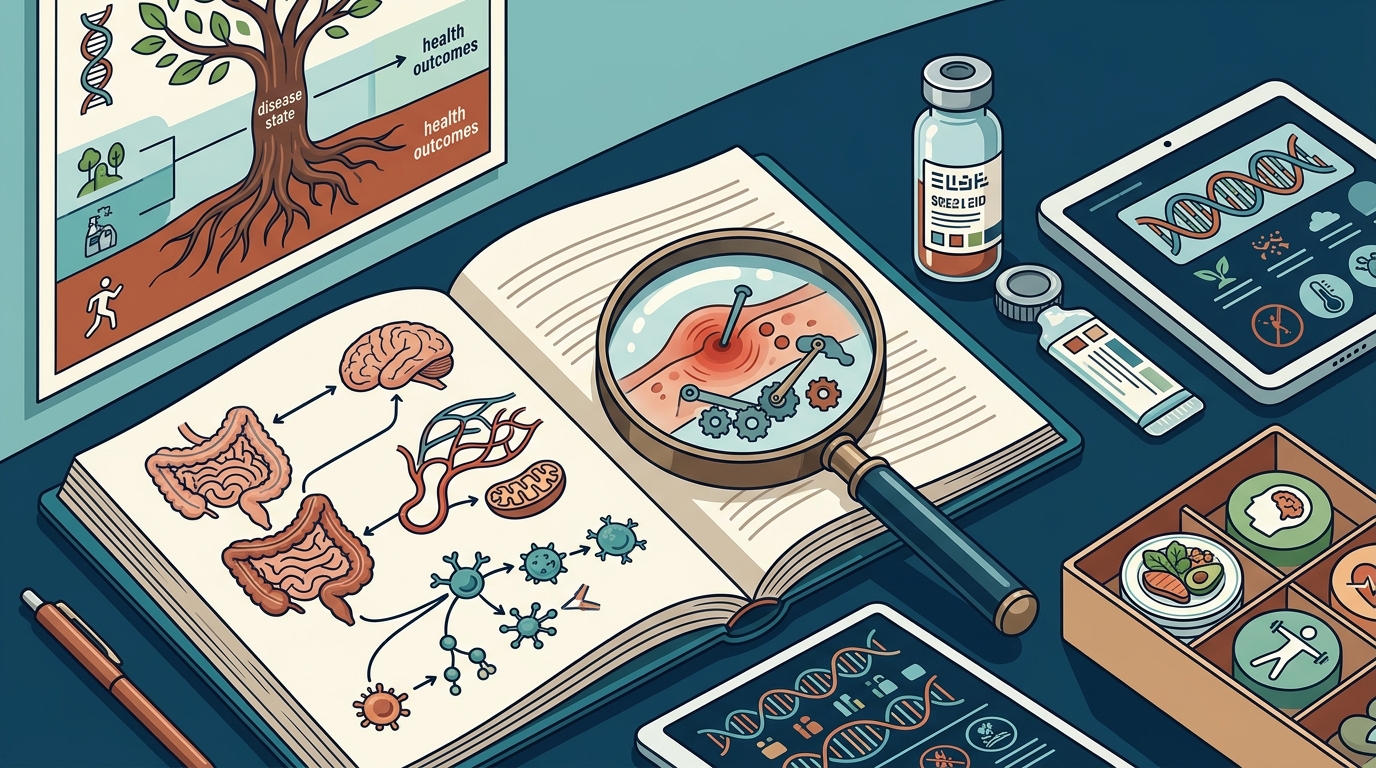
Functional medicine is defined as a personalized, science-based approach to health that addresses the underlying causes of disease. It views the body as an integrated system where every organ and function is interconnected. When one system fails, it often triggers a cascade of effects throughout the entire body. For example, gut health issues can directly impact mental health and immune function. This holistic perspective allows practitioners to treat the whole person rather than isolated symptoms.
Dr. Kim at Direct Integrative Care specializes in this integrative approach. The practice focuses on restoring balance to the body's systems through targeted interventions. Patients often seek this care when they have struggled with chronic conditions that standard protocols have not resolved. The goal is not just to manage symptoms but to restore optimal function and vitality. This requires a detailed understanding of each patient's unique biochemistry and lifestyle factors.
The Six Pillars of Root Cause Analysis
Understanding the root cause of illness requires examining six key areas of health. These pillars form the foundation of any functional medicine assessment. Ignoring any one of these areas can lead to incomplete treatment plans and persistent symptoms.
1. Digestive Health
The gut is often referred to as the second brain because of its extensive nerve network. Digestive health is critical for nutrient absorption and immune system regulation. Issues like leaky gut or dysbiosis can lead to systemic inflammation. Addressing gut health is usually the first step in resolving many chronic conditions.
2. Hormonal Balance
Hormones act as chemical messengers that regulate nearly every bodily function. Imbalances in thyroid, adrenal, or sex hormones can cause fatigue, weight gain, and mood disorders. Functional medicine looks at the entire endocrine system to find the source of the imbalance. This might involve stress management or targeted supplementation.
3. Detoxification Pathways
The body has complex pathways for eliminating toxins from the environment and food. When these pathways are overwhelmed or impaired, toxins can accumulate and cause damage. Supporting liver function and other detox organs is essential for long-term health. This often involves dietary changes and specific nutrient support.
4. Immune System Function
A healthy immune system distinguishes between self and non-self. When it becomes overactive, it can attack the body's own tissues, leading to autoimmune conditions. Functional medicine aims to calm the immune response while strengthening its ability to fight real threats. This balance is crucial for preventing chronic inflammation.
5. Energy Production
Cellular energy is produced in the mitochondria. When mitochondrial function is compromised, patients experience profound fatigue and brain fog. Optimizing energy production involves addressing nutrient deficiencies and reducing oxidative stress. This pillar is often the key to restoring vitality in chronic fatigue cases.
6. Mental and Emotional Health
Mental health is deeply connected to physical health. Stress, trauma, and emotional well-being impact physiological processes. Integrative care includes strategies for managing stress and improving mental clarity. This holistic view ensures that treatment addresses the mind-body connection.
The Real-World Patient Experience
Visiting a functional medicine clinic like Direct Integrative Care is a different experience from a standard primary care visit. The initial consultation is typically much longer, often lasting 60 to 90 minutes. During this time, Dr. Kim reviews your complete medical history, lifestyle, and environmental exposures. This deep dive allows for a more accurate assessment of your health status.
Patients often report feeling heard and understood for the first time in years. The practitioner takes the time to explain the "why" behind each recommendation. This educational component empowers patients to take an active role in their healing. The treatment plan is highly personalized and evolves as the patient progresses.
Follow-up visits are also extended to monitor progress and adjust the plan as needed. This ongoing support is vital for making lasting lifestyle changes. Patients are encouraged to ask questions and provide feedback on their symptoms. This collaborative approach fosters a strong therapeutic alliance.
Advanced Diagnostic Tools in Practice
Functional medicine relies on advanced testing to uncover hidden imbalances. Standard lab tests often only flag disease when it is already advanced. Functional medicine tests look for subtle shifts in function before disease occurs. These tools provide a clearer picture of what is happening inside the body.
Comprehensive Stool Analysis
This test examines the gut microbiome for imbalances in bacteria, yeast, and parasites. It also checks for markers of inflammation and digestive function. Identifying gut issues is crucial for addressing systemic symptoms.
Hormone Testing
Hormone levels can fluctuate throughout the day. Saliva or urine tests provide a more accurate picture of hormone balance than blood tests alone. This helps in diagnosing adrenal fatigue or thyroid issues accurately.
Food Sensitivity Testing
Food sensitivities can cause delayed immune responses that are hard to identify. Testing helps pinpoint specific foods that may be triggering inflammation. Eliminating these foods can lead to significant symptom relief.
Functional vs. Traditional Medicine
Understanding the differences between functional and traditional medicine helps patients make informed decisions. Both approaches have their place in healthcare, but they serve different purposes.
| Feature | Traditional Medicine | Functional Medicine |
|---|---|---|
| Focus | Disease-centered | Patient-centered |
| Approach | Standardized protocols | Personalized treatment plans |
| Goal | Suppress symptoms | Identify root causes |
| Time with Doctor | Short visits (10-15 mins) | Extended consultations (60+ mins) |
| Testing | Standard lab ranges | Advanced functional ranges |
Traditional medicine is excellent for acute care, emergencies, and surgery. It saves lives and treats immediate crises. However, it often falls short in managing chronic conditions that require lifestyle changes. Functional medicine complements traditional care by addressing the underlying drivers of chronic illness. Many patients use both models to get the best possible outcomes.
Key Takeaways
- Functional medicine is a patient-centered approach that identifies root causes of disease.
- It focuses on six key pillars: digestion, hormones, detoxification, immunity, energy, and mental health.
- Patient consultations are longer and more detailed than traditional visits.
- Advanced diagnostic testing is used to uncover hidden imbalances.
- Direct Integrative Care offers virtual assessments for personalized care.
- This model is ideal for those with chronic conditions not resolved by standard care.
- Dr. Kim specializes in integrative functional medicine to restore balance.
Frequently Asked Questions
What is the difference between functional medicine and integrative medicine?
Functional medicine is a specific methodology that focuses on root cause analysis. Integrative medicine combines functional medicine with conventional medical practices. Together, they offer a comprehensive approach to healing that addresses both immediate symptoms and long-term health.
How long does it take to see results from functional medicine?
Results vary depending on the individual and the condition being treated. Some patients feel improvements in energy and digestion within weeks. Others may take several months to see significant changes in chronic conditions. Consistency with the treatment plan is key to success.
Is functional medicine covered by insurance?
Insurance coverage for functional medicine varies widely. Some tests and services may be covered, while others are not. It is best to check with your insurance provider directly. Direct Integrative Care can provide documentation to help with reimbursement claims.
Can functional medicine help with autoimmune diseases?
Yes, functional medicine is highly effective for autoimmune conditions. By addressing gut health, immune function, and environmental triggers, it can help reduce symptoms and improve quality of life. The goal is to calm the immune system and restore balance.
What should I expect during my first visit?
Your first visit will be a comprehensive health assessment. Dr. Kim will review your history, lifestyle, and current symptoms. You will also undergo advanced testing to identify underlying imbalances. This information will be used to create a personalized treatment plan.
Do you offer virtual consultations?
Yes, Direct Integrative Care offers virtual assessments for patients who cannot visit in person. This allows for convenient access to high-quality functional medicine care. Virtual visits are conducted securely and effectively.
How do I book an appointment?
You can book an appointment by contacting Direct Integrative Care directly. Use the contact page to schedule your virtual assessment. You can also call or text at (210) 981-6106 for immediate assistance.
Start Your Journey to Better Health
Functional medicine offers a path to lasting health by addressing the root causes of illness. If you are struggling with chronic conditions, it may be time to explore this integrative approach. Dr. Kim at Direct Integrative Care is ready to help you uncover the answers you need. Take the first step toward a healthier, more vibrant life. Complete the virtual assessment form to begin your personalized care journey today.