
Functional medicine represents a paradigm shift in how we approach chronic illness, moving away from symptom suppression toward root cause resolution. According to the Institute for Functional Medicine, this model focuses on identifying and addressing the complex underlying causes of disease, promoting overall wellness by treating the whole person. This approach is particularly vital for individuals managing long-term conditions that standard allopathic care has failed to fully resolve. By integrating these principles, patients can take a proactive role in their health journey, leveraging advanced diagnostics and personalized lifestyle interventions to restore balance. (Functional Medicine Integrative Functional)
Understanding the Foundation of Functional Medicine
Before diving into the practical steps of integration, it is essential to define what functional medicine actually is. Functional medicine is a systems biology-based approach that focuses on identifying and addressing the root cause of disease. Unlike traditional medicine, which often treats symptoms in isolation, this model views the body as an interconnected network. This perspective allows practitioners to understand how genetics, environment, and lifestyle factors influence health outcomes.
The core philosophy relies on the concept of patient-centered care. Patient-centered care is a collaborative approach where the patient is an active participant in their health decisions. This partnership is crucial for long-term success, as it empowers individuals to make sustainable changes. At Direct Integrative Care, we emphasize this collaborative model to ensure that every treatment plan aligns with the patient's unique biological and lifestyle context.
Understanding this foundation helps clarify why the integration process requires time and dedication. It is not a quick fix but a comprehensive overhaul of how you view health. The goal is to achieve optimal wellness rather than merely the absence of disease. This distinction is critical for setting realistic expectations during the integration phase.
The Initial Assessment Process
The first step in incorporating functional medicine into your routine is undergoing a thorough initial assessment. This process is significantly more detailed than a standard annual physical. It involves a deep dive into your medical history, family history, and current lifestyle habits. Practitioners use this data to map out your unique health profile.
Comprehensive History Taking
During the initial consultation, you will discuss your health concerns in great detail. This includes not just physical symptoms but also mental and emotional well-being. The practitioner will look for patterns that may have been overlooked in previous visits. For instance, digestive issues might be linked to stress levels or food sensitivities. This holistic view is essential for accurate diagnosis.
Advanced Diagnostic Testing
Standard lab tests often provide a snapshot of health at a single point in time. Functional medicine utilizes advanced diagnostic testing to provide a more comprehensive picture. These tests may include hormone panels, food sensitivity screenings, and gut microbiome analysis. The results help identify imbalances that contribute to chronic conditions. At Direct Integrative Care, we utilize these tools to create precise, data-driven treatment plans. You can learn more about our specific diagnostic capabilities by visiting our services page.
Core Lifestyle Interventions
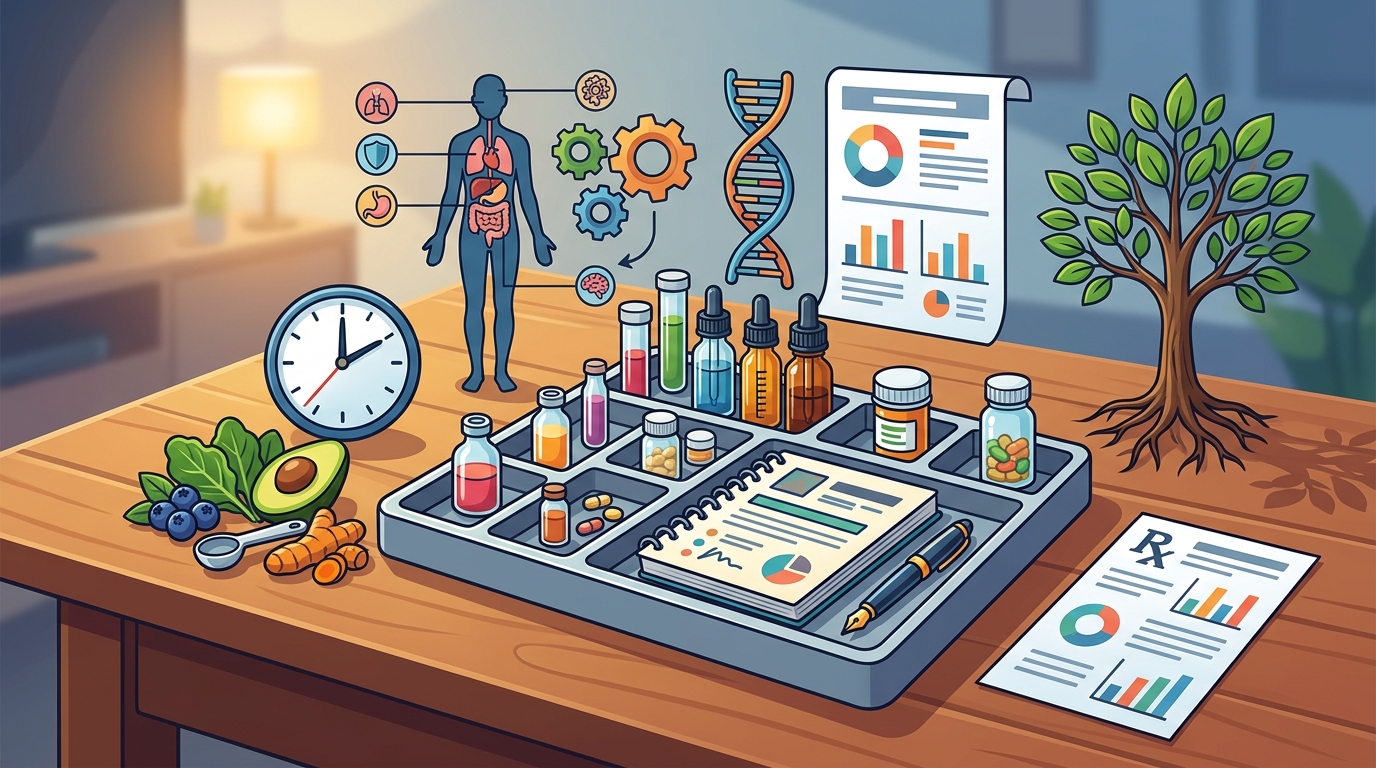
Once the assessment is complete, the focus shifts to implementing lifestyle interventions. These are the daily actions that will drive your health forward. The integration of these changes must be gradual to ensure sustainability. Rapid overhauls often lead to burnout and abandonment of the new routine.
Nutritional Optimization
Diet is the cornerstone of functional medicine. The goal is to reduce inflammation and support the body's natural healing processes. This often involves eliminating processed foods, sugars, and potential allergens. Instead, the diet emphasizes whole, nutrient-dense foods. You might start by incorporating more leafy greens, healthy fats, and lean proteins. Small, consistent changes yield better long-term results than drastic restrictions.
Sleep and Stress Management
Sleep and stress are equally critical components of health. Poor sleep disrupts hormonal balance and impairs immune function. Stress management techniques such as mindfulness, meditation, or gentle yoga can significantly improve outcomes. These practices help regulate the nervous system and reduce cortisol levels. Integrating even ten minutes of daily meditation can make a substantial difference in your overall well-being.
Physical Activity
Exercise should be tailored to your current fitness level and health goals. The focus is on movement that supports joint health, cardiovascular function, and metabolic balance. Overtraining can be counterproductive, so listening to your body is essential. A balanced routine might include a mix of strength training, cardio, and flexibility work. Consult with your provider to determine the right intensity for your specific needs.
Monitoring Progress and Adjustments
Integration is an ongoing process that requires regular monitoring. Health is dynamic, and your treatment plan must evolve as your body changes. Regular follow-up appointments are necessary to track progress and make adjustments.
Regular Check-ins
Scheduled check-ins allow your practitioner to review lab results and assess symptom changes. These visits provide an opportunity to discuss challenges and celebrate successes. If a particular intervention is not working, it can be modified promptly. This agility is a key advantage of functional medicine over static treatment protocols.
Adapting to Changes
As you progress, your needs may shift. For example, initial weight loss goals might transition to muscle building or stress reduction. Your practitioner will help you navigate these transitions by adjusting your nutrition and exercise plans. This personalized approach ensures that you continue to make meaningful progress. For more insights on how we adapt care plans, explore our blog resources.
Comparing Functional vs. Traditional Care
Understanding the differences between functional and traditional medicine helps clarify the value of integration. While traditional medicine excels in acute care and emergency situations, functional medicine shines in chronic disease management. Below is a comparison of key aspects.
| Aspect | Traditional Medicine | Functional Medicine |
|---|---|---|
| Focus | Symptom suppression | Root cause resolution |
| Approach | Specialist-driven | Whole-person care |
| Testing | Standard panels | Advanced diagnostics |
| Timeline | Short-term relief | Long-term wellness |
| Patient Role | Passive recipient | Active participant |
This comparison highlights why many patients seek a functional approach for chronic issues. The emphasis on prevention and lifestyle modification offers a sustainable path to health. For a deeper dive into the scientific basis of this model, refer to the Institute for Functional Medicine website.
Key Takeaways
- Functional medicine focuses on identifying the root cause of disease rather than just treating symptoms.
- The initial assessment involves a comprehensive history and advanced diagnostic testing to create a personalized plan.
- Nutritional optimization, sleep hygiene, and stress management are core pillars of the functional medicine lifestyle.
- Integration is a gradual process that requires consistent monitoring and adjustment of interventions.
- Patient-centered care empowers individuals to take an active role in their health decisions.
- Advanced diagnostics provide deeper insights than standard lab tests, allowing for more precise treatment.
- Direct Integrative Care offers virtual assessments to make functional medicine accessible to a wider audience.
Frequently Asked Questions
How long does it take to see results from functional medicine?
Results vary depending on the individual and the complexity of their health issues. Some patients report feeling better within weeks, while others may take several months to see significant changes. Consistency with lifestyle interventions is key to achieving optimal outcomes.
Is functional medicine covered by insurance?
Coverage varies by provider and plan. Some insurance companies cover certain diagnostic tests or consultations, while others do not. It is advisable to check with your insurance provider directly. Direct Integrative Care can also provide information on web disclosures and payment options.
Can I continue taking my current medications?
Yes, you can continue your medications. Functional medicine works alongside conventional treatments. Your practitioner will monitor your progress and may adjust medications as your health improves. Never stop taking prescribed medication without consulting your doctor.
What is the difference between a functional medicine practitioner and a naturopath?
While both focus on holistic health, functional medicine practitioners often have a background in conventional medicine and use advanced diagnostics. Naturopaths may focus more on natural therapies. Both can be valuable, but the approach differs based on training and philosophy.
How do I find a qualified functional medicine practitioner?
Look for practitioners certified by recognized organizations such as the Institute for Functional Medicine. Check their credentials, experience, and patient reviews. A good practitioner will take the time to understand your unique health history.
What role does gut health play in functional medicine?
Gut health is central to functional medicine. The gut microbiome influences immunity, mental health, and nutrient absorption. Imbalances in gut bacteria are linked to numerous chronic conditions. Testing and restoring gut health is a common part of the treatment plan.
Can functional medicine help with mental health issues?
Yes, functional medicine addresses the biological factors underlying mental health conditions. Nutritional deficiencies, inflammation, and hormonal imbalances can affect mood and cognition. By addressing these root causes, patients often experience significant improvements in mental well-being.
Next Steps
Incorporating functional medicine into your healthcare routine is a powerful step toward lasting wellness. By understanding the root causes of your health challenges and implementing personalized lifestyle interventions, you can take control of your future. The journey requires commitment, but the rewards are profound. If you are ready to explore this path, we invite you to schedule a virtual assessment with Dr. Kim. Visit our contact page to get started on your journey to optimal health today.