
How Integrative Oncology Works With a Direct-Care Telemedicine Doctor
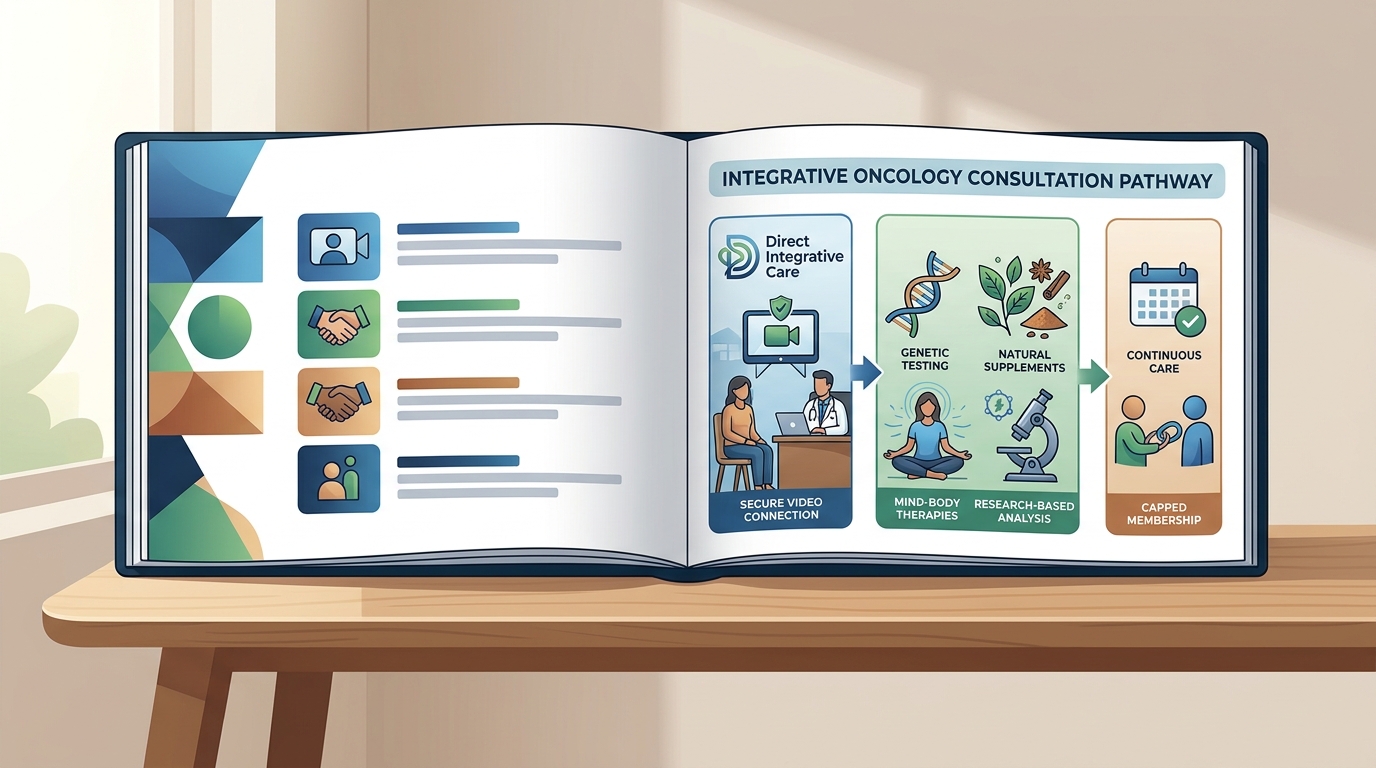
Integrative oncology works with a direct-care telemedicine doctor by pairing evidence-based complementary therapies with conventional cancer treatments through a continuous, membership-based consultative relationship. This model removes insurance billing barriers, allowing for deeper diagnostic exploration and personalized lifestyle interventions. At Direct Integrative Care, this approach is delivered entirely via secure video or telephone, ensuring patients receive high-touch support without the administrative friction of traditional fee-for-service systems.
The Direct Care Membership Model
Direct care is a healthcare delivery model where patients pay a flat, recurring monthly fee directly to their physician for access to a defined set of services. This structure fundamentally shifts the dynamic from transactional visits to a sustained partnership. In a traditional fee-for-service system, physician time is often constrained by billing codes and insurance approval processes. Direct care removes these obstacles, allowing the provider to focus on the patient's specific health journey rather than reimbursement rules.
For patients navigating a cancer diagnosis, this continuity is critical. The membership model typically includes expanded communication channels, such as secure messaging, phone calls, and telemedicine appointments. This ensures that questions arising between scheduled visits can be addressed promptly. At Direct Integrative Care, the practice operates on a membership basis, capping the number of active clients to ensure each individual receives the depth of attention required for complex conditions. This concierge-style approach allows for a more holistic view of the patient's health, integrating physical, mental, and emotional well-being into the care plan.
Integrative Oncology as a Clinical Discipline
Integrative oncology is a patient-centered, evidence-informed field of cancer care that combines mind-body practices, natural products, and lifestyle changes alongside conventional treatments. It is not a replacement for surgery, chemotherapy, or radiation, but rather a complementary framework designed to optimize quality of life and clinical outcomes. According to the National Center for Biotechnology Information, integrative oncology addresses symptom control with nonpharmacologic therapies, providing a structured approach to managing the side effects of standard cancer care.
The Society for Integrative Oncology (SIO) and the American Society of Clinical Oncology (ASCO) have jointly published guidelines to standardize this practice. These guidelines emphasize that integrative therapies must be evidence-based and coordinated with the primary oncology team. A telemedicine doctor specializing in this field can help patients navigate these guidelines, ensuring that any complementary therapy is safe and appropriate for their specific cancer type and stage. This coordination is vital, as some natural products can interact with chemotherapy agents, potentially reducing their efficacy or increasing toxicity.
Telemedicine as the Delivery Mechanism
Telemedicine is the use of electronic information and telecommunications technologies to conduct clinical care at a distance. In the context of integrative oncology, telemedicine allows for flexible visit formats, including video consultations, phone calls, and secure text messaging. This flexibility is particularly valuable for cancer patients who may experience fatigue, travel difficulties, or immune suppression that makes in-person visits burdensome. A telemedicine-only practice ensures that all interactions are documented and secure, maintaining the standard of care while providing convenience.
Dr. Yoon Hang Kim, MD, MPH, utilizes telemedicine to deliver integrative and functional medicine services to patients across multiple states. His practice, Direct Integrative Care, focuses on root-cause medicine, which involves identifying and addressing the underlying drivers of disease. For cancer patients, this might include investigating nutritional deficiencies, chronic inflammation, or stress-related immune suppression. By working alongside the primary oncology team, the telemedicine doctor can provide a second perspective on the patient's overall health, ensuring that no aspect of their well-being is overlooked.
Root Cause Analysis in Cancer Care
Root cause medicine is an approach that seeks to identify and address the underlying factors contributing to a disease, rather than merely managing its symptoms. In oncology, this involves looking at the patient's entire biological context, including gut health, hormonal balance, and environmental exposures. Conventional medicine is excellent at acute care and tumor targeting, but it often lacks the tools to address the systemic imbalances that can affect treatment tolerance and recovery. Functional medicine provides these tools through advanced laboratory testing and systems-based thinking.
For example, a patient undergoing chemotherapy may experience significant gastrointestinal distress. A root cause approach might investigate whether this is due to a specific medication side effect, a pre-existing gut dysbiosis, or a nutritional deficiency. By identifying the specific driver, the telemedicine doctor can recommend targeted interventions, such as specific probiotics, dietary changes, or supplements, to mitigate the side effect. This level of personalized care is difficult to achieve in a high-volume, insurance-driven practice where appointment times are strictly limited.
Key Takeaways
- Direct care removes insurance billing barriers, allowing for a deeper, more continuous patient-physician relationship.
- Integrative oncology is an evidence-based field that complements, not replaces, conventional cancer treatments.
- Telemedicine provides flexible access to care, which is crucial for patients managing the side effects of cancer therapy.
- Root cause medicine helps identify underlying drivers of symptoms, enabling more personalized and effective interventions.
- Coordination with the primary oncology team is essential to ensure the safety and efficacy of complementary therapies.
- Membership-based practices often cap client numbers to ensure high-touch, individualized attention for each patient.
Frequently Asked Questions
Does integrative oncology replace chemotherapy or radiation?
No, integrative oncology is designed to work alongside conventional treatments. It aims to improve quality of life and manage side effects, not to replace standard cancer therapies like surgery, chemotherapy, or radiation.
How does a direct-care telemedicine doctor communicate with my oncologist?
Direct-care physicians typically coordinate with the primary oncology team through secure medical records and direct communication. They ensure that any complementary therapies recommended are safe and do not interfere with conventional treatments.
Is telemedicine effective for managing cancer symptoms?
Yes, telemedicine is effective for managing many cancer-related symptoms, such as fatigue, pain, and emotional distress. It allows for frequent check-ins and adjustments to the care plan without the burden of travel.
What is the difference between functional medicine and integrative oncology?
Functional medicine focuses on identifying root causes of disease through advanced testing, while integrative oncology specifically applies evidence-based complementary therapies to cancer care. They often overlap, with functional medicine principles informing the integrative oncology approach.
Can I use a direct-care doctor if I have insurance?
Yes, direct care is a separate membership agreement. You can maintain your health insurance for hospitalization and emergency care while using a direct-care membership for ongoing consultative support and integrative therapies.
What conditions does Dr. Kim specialize in?
Dr. Kim specializes in autoimmune conditions, chronic pain, integrative oncology, and gastrointestinal disorders. He has over 20 years of experience in integrative and functional medicine and holds board certifications in Preventive Medicine and Integrative & Holistic Medicine.
Next Steps for Patients
For patients seeking a more personalized approach to their cancer care, consulting with a board-certified integrative medicine physician can provide valuable insights. Direct Integrative Care offers a membership-based model that prioritizes patient education and root-cause analysis. To explore how this model might fit your needs, you can to discuss your specific health goals and current treatment plan.